


The Nail Clipper as a Corporate Gift: A Study of Utility, Perception, and Branding Potential
The selection of an appropriate corporate gift is a nuanced exercise in psychology, marketing, and human resources. It is a tangible representation of a company’s brand, its appreciation for its employees, and its regard for its clients. In the hierarchy of potential gifts, certain items have become perennial favorites: the engraved pen, the leather-bound journal, the high-quality umbrella, or the annual desk calendar. These items occupy a safe, predictable space in the corporate gifting ecosystem. However, there exists a category of gifts that is far more controversial, teetering on the edge between ingenious practicality and perceived parsimony: the humble nail clipper.
At first glance, proposing a nail clipper as a serious business gift seems counterintuitive. It is a mundane, hyper-personal item associated with the bathroom cabinet rather than the boardroom. Yet, a deeper examination of the nail clipper as a promotional product reveals a fascinating paradox. It is an object that has been responsible for both memorable gaffes in corporate history and million-dollar business empires. This essay will explore the multifaceted nature of the nail clipper as a business gift, arguing that while it carries a significant risk of being perceived as a cheap and thoughtless token, its potential for success lies in its transformation through quality, presentation, and, most importantly, the narrative in which it is wrapped.
The primary and most significant hurdle for the nail clipper as a corporate gift is its powerful association with frugality and a lack of genuine thought. The annals of corporate lore are filled with cautionary tales about ill-advised gifts, and the nail clipper frequently features as a prime example of a "gift-giver's faux pas." As documented in business literature, employees have long memories when it comes to perceived slights. One former television reporter recounted how, over several years, the holiday gifts from his employer "got smaller and cheaper," culminating in a year where they received a single nail clipper. The message was clear: the gesture was merely a box to be checked, an obligation fulfilled with the minimum possible expenditure .The gift was not a token of appreciation but a symbol of the company's indifference.
This perception is the single greatest threat to the nail clipper's viability in a corporate context. A gift that costs little and appears to have been purchased in bulk without consideration for the recipient can do more harm than good. It can breed resentment, undermine morale, and damage a business relationship. When an employee or client receives an item of such low perceived value, they are left to question their own value to the giver. This "cheap gift" association is so potent that it can completely overshadow any practical utility the object might possess. In the realm of psychology, this relates to the concept of signaling; an expensive, well-chosen gift signals high regard, while a cheap one signals the opposite, regardless of the giver's actual intentions.
However, to dismiss the nail clipper outright is to ignore a compelling counter-narrative: one of innovation, branding genius, and multi-million-dollar success. The story of Liang Boqiang, often dubbed the "King of Nail Clippers" in China, provides a powerful case study in the alchemy of transforming a mundane object into a corporate powerhouse. His company, "Very Small Device," built a business with an annual output value of 200 million RMB (approximately $28 million USD) by doing exactly what the failed corporate gift-givers did not: they re-imagined the product's very essence.
Liang's inspiration was born from observing the ephemeral nature of the traditional名片 (business card). He noticed that recipients often discarded his cards immediately after a meeting, littering wastebaskets and tabletops. This led him to a profound insight: what if a business card could be made useful and, therefore, kept? He fused the名片 with his product, creating a thin, credit-card-styled nail clipper engraved with a person's name, title, and contact information . He took a "low-value, durable good" and repurposed it as a "sixth medium" – a functional, long-lasting business card that a recipient would have a reason to keep in their desk or wallet for years .This was not just a nail clipper; it was a permanent, useful reminder of a person or a company. The success was staggering, leading to massive contracts with institutions like the Beijing Railway Bureau and the China Merchants Bank, proving that there was a voracious market for thoughtfully conceived corporate gifts, even ones as seemingly trivial as nail clippers .
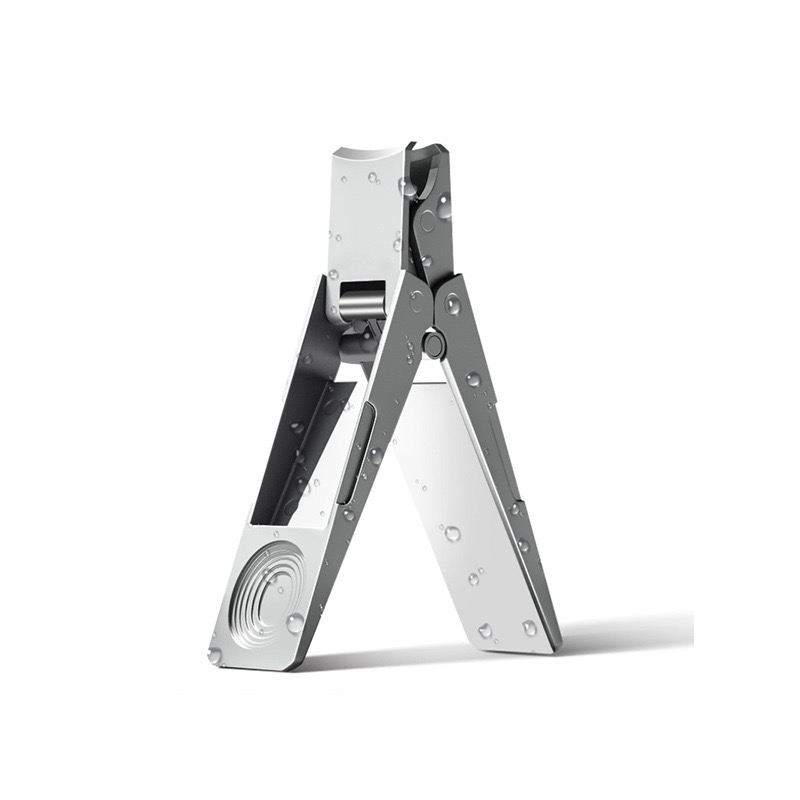
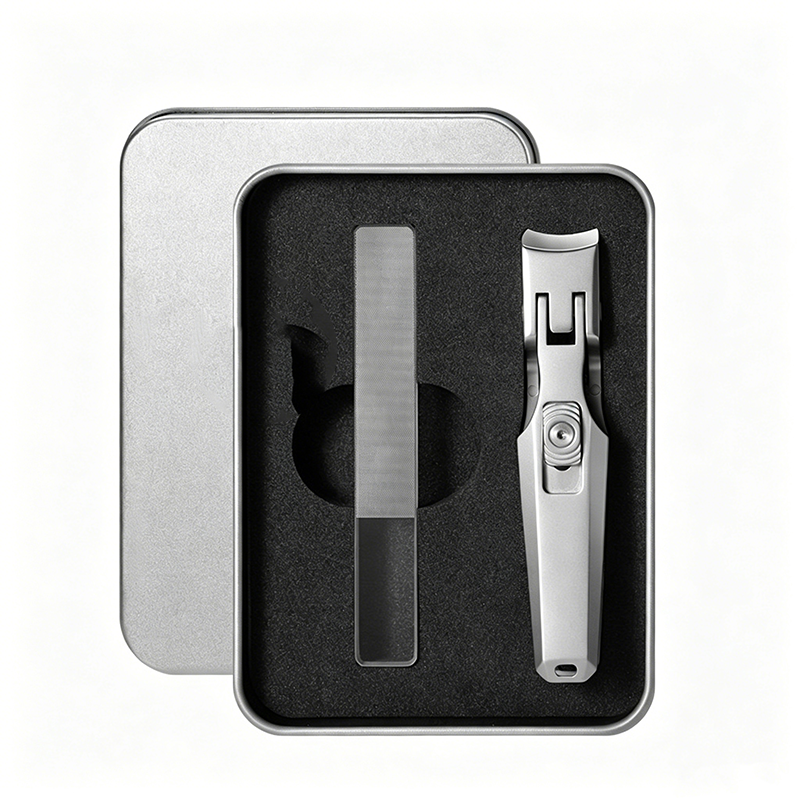
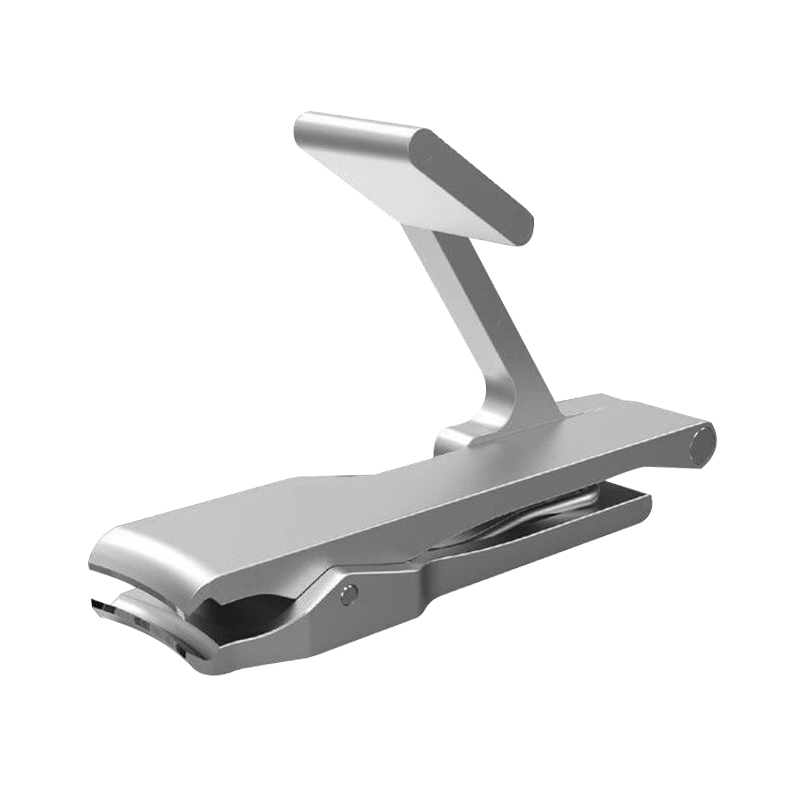
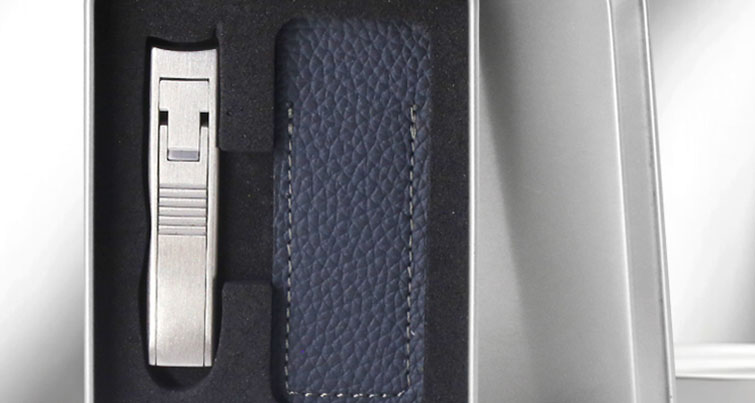
The divergence between these two outcomes—the resentful employee and the lucrative corporate contract—hinges entirely on execution and context. The nail clipper given as a standalone, low-quality item to an employee is a failure of imagination. The customized, high-quality nail clipper set given as a promotional item to a client or as part of a marketing campaign is a strategic success. This distinction is critical. Modern promotional product suppliers have capitalized on this very idea, offering "high-end gift printed nail clipper four-piece sets" made from materials like 304 stainless steel or titanium alloy, complete with磨砂 (matte) finishes and precision laser engraving for logos . These are a far cry from the cheap, flimsy clippers that end up in the back of a drawer. They are presented as tools of personal care, often housed in elegant leatherette cases, transforming the grooming kit into an object of aesthetic appeal .
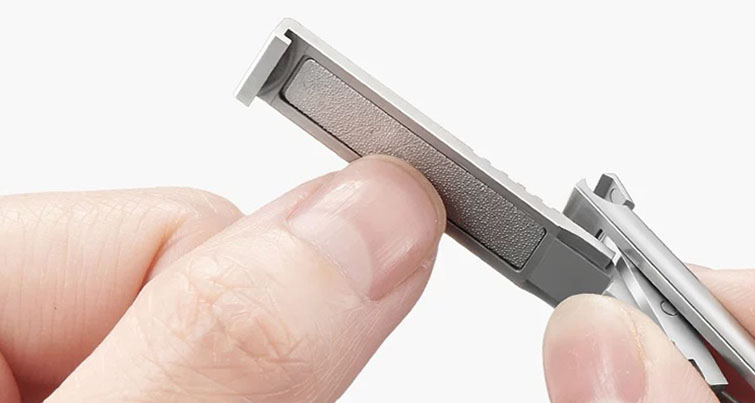
The physical transformation of the product is paramount. A high-quality set might weigh 50-80 grams, with blades sharp enough for a precise cut, ergonomic handles, and a finish that resists fingerprints . The customization options are extensive. Logos can be applied via durable laser engraving, vibrant silk screening, or eye-catching hot stamping, ensuring that the brand is represented in a way that complements, rather than defaces, the product . The very best versions can even be made from surgical-grade or titanium-coated steel, offering a 50% longer lifespan and appealing to clients who demand the utmost in quality . This elevates the gift from a mere promotional trinket to a "personal护理用品" (personal care item) or even a "特定意义的纪念品" (souvenir with specific meaning) .
Furthermore, the product's inherent qualities of durability and constant use, which make it a poor standalone gift, become its greatest assets in a branding context. A nail clipper is used regularly, perhaps once a week or more. Each time a client reaches for that custom-engraved clipper, they are engaging in a moment of "brand refresh." The product functions as a "mobile billboard," subtly keeping the company's name in the user's consciousness .A pen might run out of ink and be thrown away; a calendar becomes outdated at year's end. A high-quality nail clipper, however, can last a decade or more, providing years of brand exposure for a one-time cost . This longevity transforms the initial investment into a highly cost-effective marketing tool when amortized over its lifespan.
The extreme potential of this concept is perhaps best illustrated by the creation of a £1 million diamond-encrusted nail clipper to commemorate the first birthday of Prince George of Cambridge. Crafted from 18-carat gold and set with 350 individual diamonds, this object transcended its function entirely . It was no longer a tool for grooming; it was a statement of ultimate luxury, a collector's item, and a headline-grabbing publicity stunt. While this is an absurdist extreme, it demonstrates that even the most mundane object can be imbued with immense value through the application of luxury materials and a compelling narrative. It proves that the ceiling for a nail clipper's perceived worth is virtually limitless, depending entirely on the story told around it .
Given these dynamics, the strategic application of the nail clipper as a business gift requires careful consideration. It is likely not the optimal choice for an employee holiday gift, where the risk of appearing cheap is highest, and the personal connection is most sensitive. In such contexts, a more universally appreciated gift with a higher immediate perceived value is safer. However, for client acquisition, trade show giveaways, or commemorative events, a customized, high-quality nail clipper set can be exceptionally effective. It is perfectly suited for businesses in the beauty, health, and wellness sectors, such as salons, spas, and gyms, where the connection to personal grooming is direct and logical -6-10. It can also serve as a clever, memorable leave-behind after a sales pitch, ensuring the salesperson's name and company remain physically present in the prospect's daily life.
In conclusion, the nail clipper is the ultimate test of a gift-giver's skill. It is a high-risk, high-reward proposition that defies easy categorization. In its most basic, thoughtless form, it is a symbol of corporate stinginess, a cautionary tale of a gift that backfires spectacularly. Yet, when approached with creativity, a commitment to quality, and a clear understanding of branding, it can be transformed into a masterpiece of utility and marketing. The difference between a gift that ends up in the trash and one that stays in a pocket for a decade is not the object itself, but the intention, quality, and story that accompany it. The nail clipper teaches us that in the world of business gifts, there are no inherently bad products, only poorly executed ideas.
Related Posts