




The Material World of Premium Nail Clippers: A Guide to Choosing the Finest Metals
The pursuit of the perfect nail clipper is, at its core, a journey through the world of materials. While the common drugstore clipper is an anonymous stamping of base metal, the高端指甲钳 (high-end nail clipper) is defined by a deliberate and sophisticated choice of substances. The material is not merely a component; it is the very foundation of the tool's performance, its longevity, and its tactile pleasure. To understand what makes a nail clipper truly exceptional, one must delve into the metallurgy that separates the mundane from the magnificent. This essay explores the primary materials used in crafting premium nail clippers, examining their unique properties and why they are prized by discerning users and professionals alike.
The journey into premium materials begins with a fundamental division: stainless steel versus high-carbon steel. Each represents a different philosophy in tool-making, offering distinct advantages that cater to different priorities and preferences. The choice between them is the first and most crucial decision in the selection process.
Stainless steel, particularly in its various alloys, is the ubiquitous material of the modern premium clipper. Its primary virtue is corrosion resistance. In an object destined for the humid environment of a bathroom or the sterilization cycles of a professional salon, the ability to resist rust and staining is paramount. However, not all stainless steel is created equal. The specific grade of the alloy dictates its performance. The Mirror Crest clipper, for example, utilizes 420J2 stainless steel, a grade known for its hardness and durability, which allows for a blade that remains sharp and resistant to wear over an extended period.This material, when combined with advanced manufacturing techniques like metal injection molding (PIM), can produce a tool of exceptional precision and longevity, designed to be "the last nail clipper you will ever buy" .
On the other side of this metallurgical divide lies high-carbon steel. This material is often the choice of traditionalists and those who prioritize absolute, enduring sharpness above all else. The TOGI nail clipper, forged in Japan's renowned knife-making region of Tsubame-Sanjo, exemplifies this philosophy. Its blade is crafted from S58C high-carbon steel, sourced from Kobe Steel.The choice is deliberate and telling. The maker explicitly states a preference for this material over "soft materials like stainless steel" to maintain long-term sharpness. This steel is harder and can be honed to a more acute edge than many stainless steels. However, this performance comes with a trade-off: high-carbon steel is more susceptible to rust and requires more diligent care to prevent corrosion. The TOGI clipper is not merely cut from sheet metal; it is hot-forged, a process where a solid steel rod is hammered into shape by skilled craftsmen in extreme heat, a method that aligns the metal's grain structure for superior strength. This is the heritage of cutlery, applied to the humble nail clipper.
A noteworthy compromise in this dichotomy is the use of carbon steel with a protective coating. The Premax clippers from Italy are crafted from nickel-plated carbon steel . This approach marries the sharpness and edge-holding capability of carbon steel with the corrosion resistance of a nickel plating. The result is a tool that offers professional-grade cutting precision with a polished, chrome-like finish that resists the elements .This combination demonstrates that innovation in materials is not always about discovering something new, but about intelligently combining existing ones to achieve a superior balance of properties.
Beyond the blade itself, the construction of a premium clipper often involves a strategic combination of materials to optimize different parts of the tool. The Green Bell clipper from Japan is a perfect illustration of this principle. While its blades are made from hardened stainless steel for enduring sharpness, the lever—the part that the finger presses to apply force—is crafted from zinc alloy through a die-casting process.Zinc alloy is chosen not for its edge-holding capability, but because it can be formed into a thicker, more robust shape that reliably transmits the user's force to the blades, making the cutting of even the hardest nails an effortless task . This intelligent division of labor, using the right material for each specific function, is a hallmark of sophisticated design.
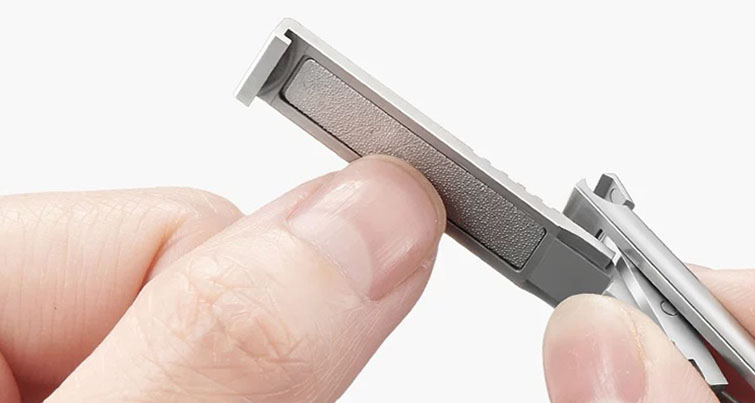
For those seeking the pinnacle of material luxury and performance, titanium and advanced coatings represent the final frontier. The use of titanium is currently more common in related tools, such as the nearly-permanent nail files from Japan that boast of the metal's lightness, strength, and complete immunity to rust .Titanium's hypoallergenic properties and its ability to be colored through anodization also open up new aesthetic possibilities. In the realm of coatings, the Physical Vapor Deposition (PVD) process stands out. Applied to the Zwilling Twinox clippers, a PVD coating, such as the diamond-like carbon black finish or an attractive gold layer, provides an exceptionally hard, scratch-resistant, and corrosion-proof surface .This is not merely a cosmetic enhancement; it is a fundamental upgrade to the material's surface properties, ensuring that the clipper's beauty is as enduring as its performance. The Staleks professional clippers also utilize a sandblasted matte finish on their high-alloy stainless steel, which not only protects against corrosion and scratches but also eliminates glare, a practical consideration for professionals working under bright salon lights.
Ultimately, the choice of material in a high-end nail clipper dictates the user's entire experience. It determines the heft in the hand, the smoothness of the action, the sharpness of the cut, and the tool's ability to withstand the test of time. Whether it is the timeless, rust-proof reliability of surgical-grade stainless steel .the legendary sharpness of hand-forged carbon steel. the intelligent engineering of multi-material construction. or the space-age resilience of PVD-coated or titanium instruments .each material tells a story. To choose a premium nail clipper is to choose which story you want to hold in your hand—a story of practical durability, artisanal tradition, or innovative luxury. In this small but essential tool, the material is not just the medium; it is the message.
Related Posts